I would like to share with you my own experience. Through psychotherapy, I discovered that something almost magical happens when I share my difficult experiences with a therapist. It’s vastly different from merely listening to my thoughts and responding to them internally. When I talk to someone who listens fully, with empathy and without judgment, and whose sole intention is to understand me, it transforms the experience. When the therapist, after accepting me as I am, asks questions to clarify and untangle my emotions, it helps me to see clearly how I feel and to connect with my wounds in a way that opens the door to healing.
Choosing to start therapy is a brave decision. It means recognising that you need support. It’s about acknowledging that you are worthy of care and that it’s okay to ask for help. The first step often involves overcoming fears and uncertainties about the process and the potential changes it might bring.
Psychotherapy invites you to open up about your thoughts, feelings, and experiences, which can feel incredibly vulnerable. It takes courage to share your innermost struggles with someone else, trusting that they will understand and support you without judgment. This journey can be challenging, but the will to persist through these challenges is what leads to healing.
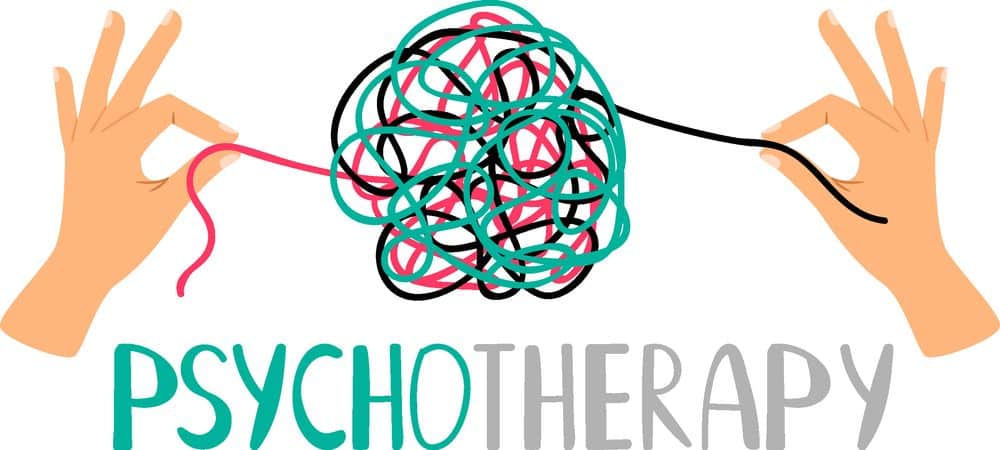
Psychotherapy is a collaborative process where the psychotherapist and the client work together to identify and address the client’s concerns.
What is the use of psychotherapy:
- The exploration of existential concerns: like death, freedom, isolation and meaninglessness, helps individuals to understand and cope with the inherent challenges of human existence.
- Enhancing Self-Awareness: by encouraging clients to explore their thoughts, feelings and behaviours in a deep and meaningful way.
- Improving relationships: by fostering authentic and meaningful connections with others.
- Promoting personal growth: by assisting individuals in finding purpose and meaning in their lives.
According to the British Association for Counselling and Psychotherapy (BACP), psychotherapy is useful for several key reasons:
- Emotional Support: Providing a safe and confidential space for individuals to express their feelings and thoughts.
- Mental Health Improvement: Managing and alleviating symptoms of mental health conditions such as depression, anxiety, and PTSD.
- Personal Growth: Helping individuals understand themselves better, set and achieve personal goals, and improve self-esteem.
- Relationship Enhancement: Improving communication and resolving conflicts in relationships, whether they are familial, romantic, or professional.
- Coping Strategies: Equipping individuals with effective coping mechanisms to handle stress, trauma, and major life changes.